


Home / Engineering / Certificate III in Engineering – Fabrication Trade – MEM31925
Boilermakers, welders and fabricators with years of genuine trade work behind them are the people MEM31925 exists for. We help build the RPL case, with assessment carried out by one of our partnered training organisations.
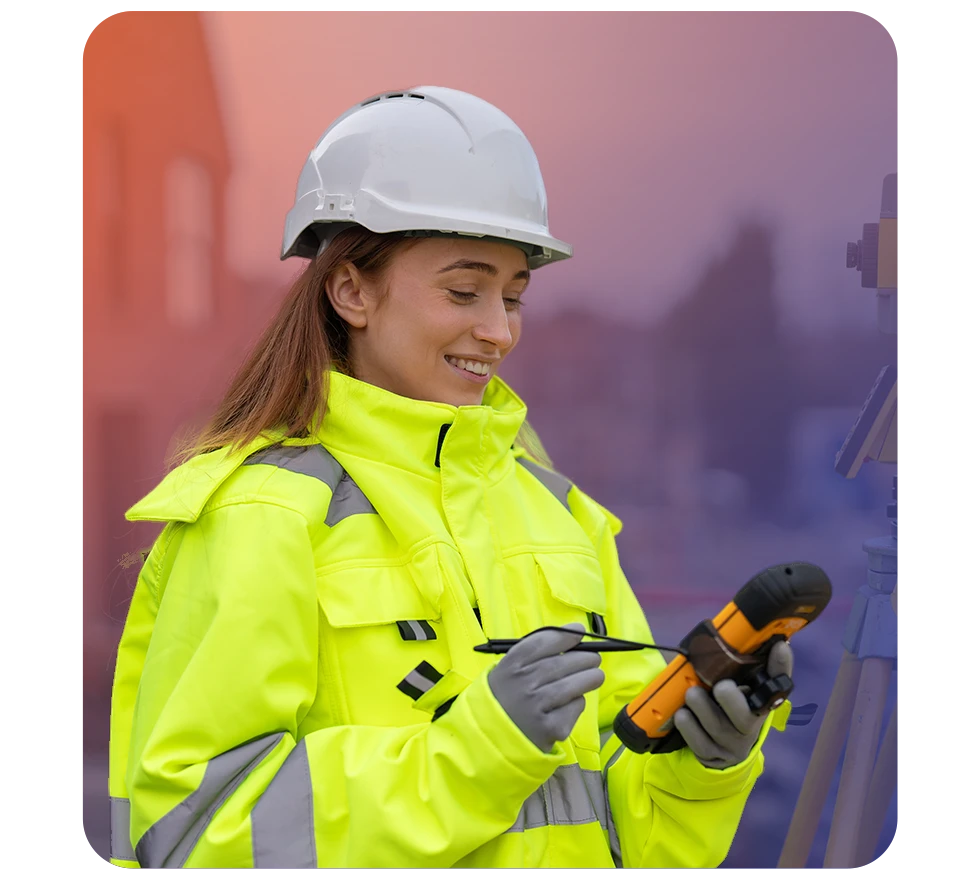
This is the trade qualification for an Engineering Tradesperson – Fabrication, covering metal fabrication, structural steel erection, sheetmetal work, welding, blacksmithing and surface finishing, with specialisation pathways including Boilermaking, Welding, Sheetmetal Working, Blacksmithing and Surface Finishing. MEM31925 superseded the earlier MEM31922 code on 3 September 2025, delivering an equivalent trade outcome.
There are no formal entry requirements, and the qualification is typically delivered through an apprenticeship. RPL suits experienced boilermakers, welders and fabricators without the formal trade certificate.
Certificate III in Engineering – Fabrication Trade (MEM31925) has no formal entry requirements at the national level — you don't need to be an apprentice or hold a training contract to complete it.
Through RPL, what matters is whether your hands-on experience covers the skills the qualification requires. You're likely to be eligible if you've built genuine experience in fabrication work — welding, sheetmetal work, structural steel erection, blacksmithing or surface finishing — whether that came from paid work, an apprenticeship (complete or incomplete), informal on-the-job training, or work overseas.
Get in touch and your consultant will talk through your background to confirm whether your experience is likely to meet the units of competency, before you commit to anything.
his certification opens the doors for you to apply for a number of highly-skilled and well-paid professions. Certificate III qualifies you for many roles, such as:
The Certificate III in Engineering – Fabrication Trade qualification provides essential skills for aspiring engineering tradespeople in manufacturing and related industries. It includes competencies in welding, sheet metal work, metal polishing, and metal fabrication. Trainees will also learn to operate relevant computer-controlled equipment. This certification is designed with apprentices' needs in mind and can be obtained through formal skills recognition assessment.
This certification opens doors to high-skilled, well-paid professions. The Certificate III qualifies you for roles such as metal fabrication tradesperson, boilermaker, moulder, foundry tradesperson, patternmaker, or 1st class welder. Let your skills lead you to a better life.
Being recognised for past learning by our institution allows you to work anywhere in Australia. Vocational education and training certificates are nationally recognized and provide flexibility in your career pursuit. Competent students receive certification within four weeks, enabling a quick transition to the next career phase. As a respected Registered Training Organisation, RPL.com.au values your time. If you’re deemed not yet competent, you’ll get a full refund of fees paid. We also offer gap training from qualified instructors to help you achieve the certification you need.
Intech Institute of Technology Pty Ltd (RTO: 30100)
Lorem ipsum dolor sit amet consectetur adipiscing elit praesent ultricies elementu massa malesuada posuere sed sollicitudin ligula vel.

Percentage of graduates of this course who were satisfied with the training.
Percentage of graduates of this course who started/expanded a business or who have a new job, more highly skilled work, a promotion or higher pay.
The middle of the range of salaries earned by graduates of this course starting their first ever full-time job after graduating.
Trade-level fabrication work — metal fabrication, structural steel, sheetmetal, welding, blacksmithing and surface finishing.
Apprentice and experienced boilermakers, welders and fabricators.
Boilermaking, Welding, Sheetmetal Working, Blacksmithing, and Surface Finishing.
Boilermaker, welder and metal fabricator roles across manufacturing, construction and heavy industry.
Yes, if you can demonstrate genuine fabrication or welding experience.
Welding tickets, job photos, employer references, and examples of fabrication work completed.
They can support it, alongside the broader competency evidence assessed by our partnered RTOs — though they don’t replace it on their own.